
Psychotherapy for Children and Adolescents
Child and adolescent psychotherapy offers a space for young people to be met, understood, and supported as they navigate emotional and developmental challenges.
When do young people come to psychotherapy?
Recognising when a child or teenager is emotionally struggling is not always straightforward. Since self-awareness and life experience are still developing, distress is often expressed through behaviour.
Children may be referred following noticeable changes — becoming withdrawn, losing interest in usual activities, changes in eating or sleeping, or heightened emotional reactions. Or when their behaviour has always shown signs of underlying struggle.
At other times, young people begin to share feelings of anxiety, sadness, low self-esteem, relationship difficulties, academic pressure, or experiences that have left an emotional mark.
Psychotherapy can also support young people through periods of change such as illness, bereavement, family transitions, school changes, or moving home.
- withdrawal, irritability, or big emotional reactions
- changes in sleep, appetite, or energy
- increased anxiety, sadness, or low confidence
- school pressures, friendship difficulties, or feeling overwhelmed

What is child and adolescent psychotherapy?
Building resilience for growing minds
It is said that it takes a village to raise a child—a community that contributes to their growth. I view my work with young people as a way to be part of that village. Here, a child is given a welcoming and confidential space to express their authentic self. And a companionship to discover themselves and unpick ways out of their difficulties.
The confidentiality of therapy space can be particularly helpful for adolescents, as they orient themselves towards the outside world, and might find it difficult to share their innermost feelings with their parents. Meanwhile, they still benefit from conversations with a trusted adult.
A note on confidentiality
Will parents be told what is discussed in sessions?
My involvement with parents varies depending on the needs of the young person and family, always within clearly agreed boundaries of confidentiality.
How do parent reviews work?
Parent reviews offer space to reflect on a child’s needs and explore how different forms of support can contribute to their well-being.
Matching language and energy
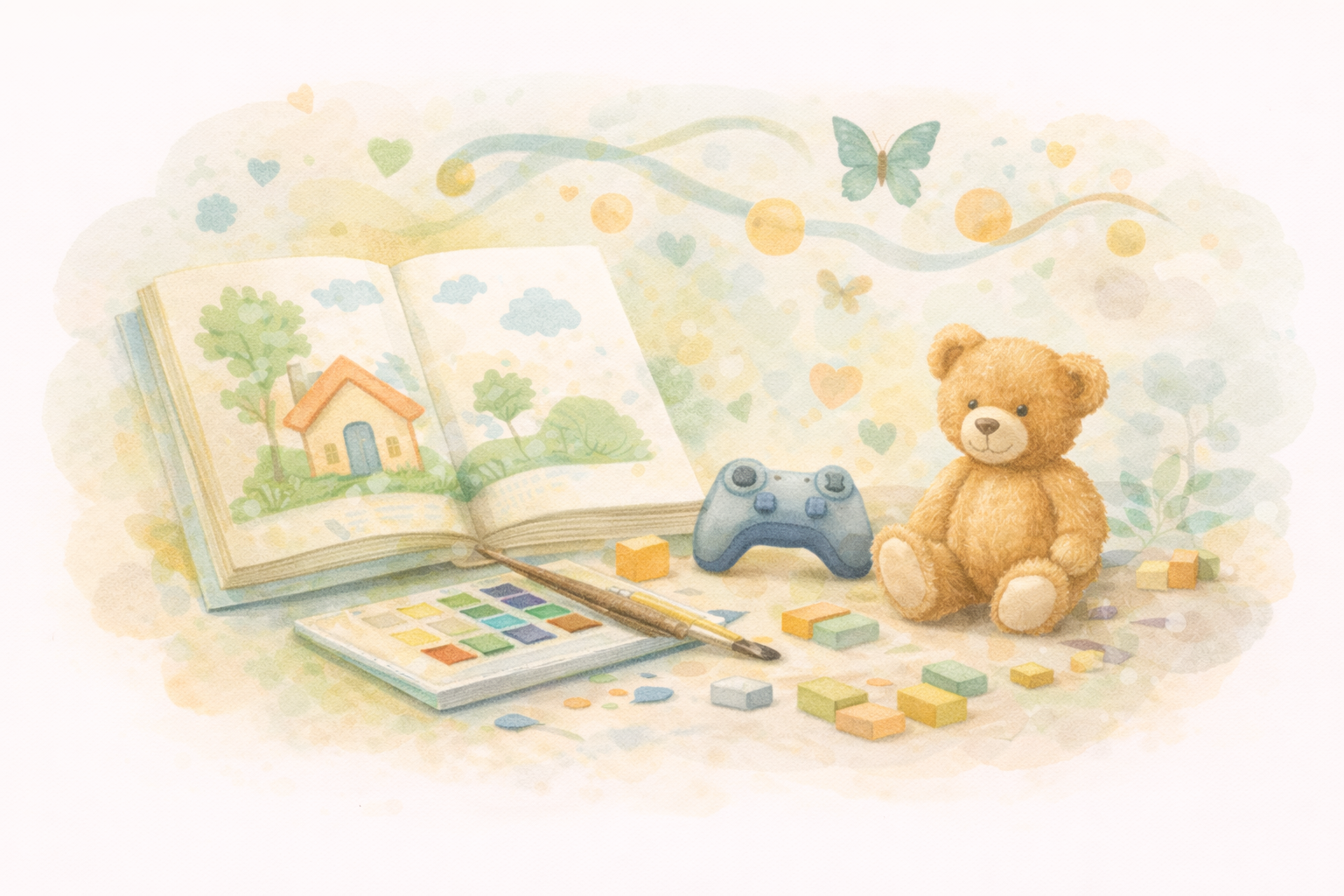
Psychotherapy with young people adapts to the language, pace, and emotional tone that feels right for them.
For younger children, play, art, stories, and metaphor often communicate feelings more aptly than words alone, allowing complex emotions to be explored safely.
Thinking of development
Childhood and adolescence are periods of particularly rapid emotional, cognitive, and relational development.
Therapy pays close attention to developmental stages, helping to understand distress in the context of what a young person is working towards at that point in their life.
Understanding development helps form realistic expectations and guides therapeutic support that feels appropriate and containing.

Impact of modern technology
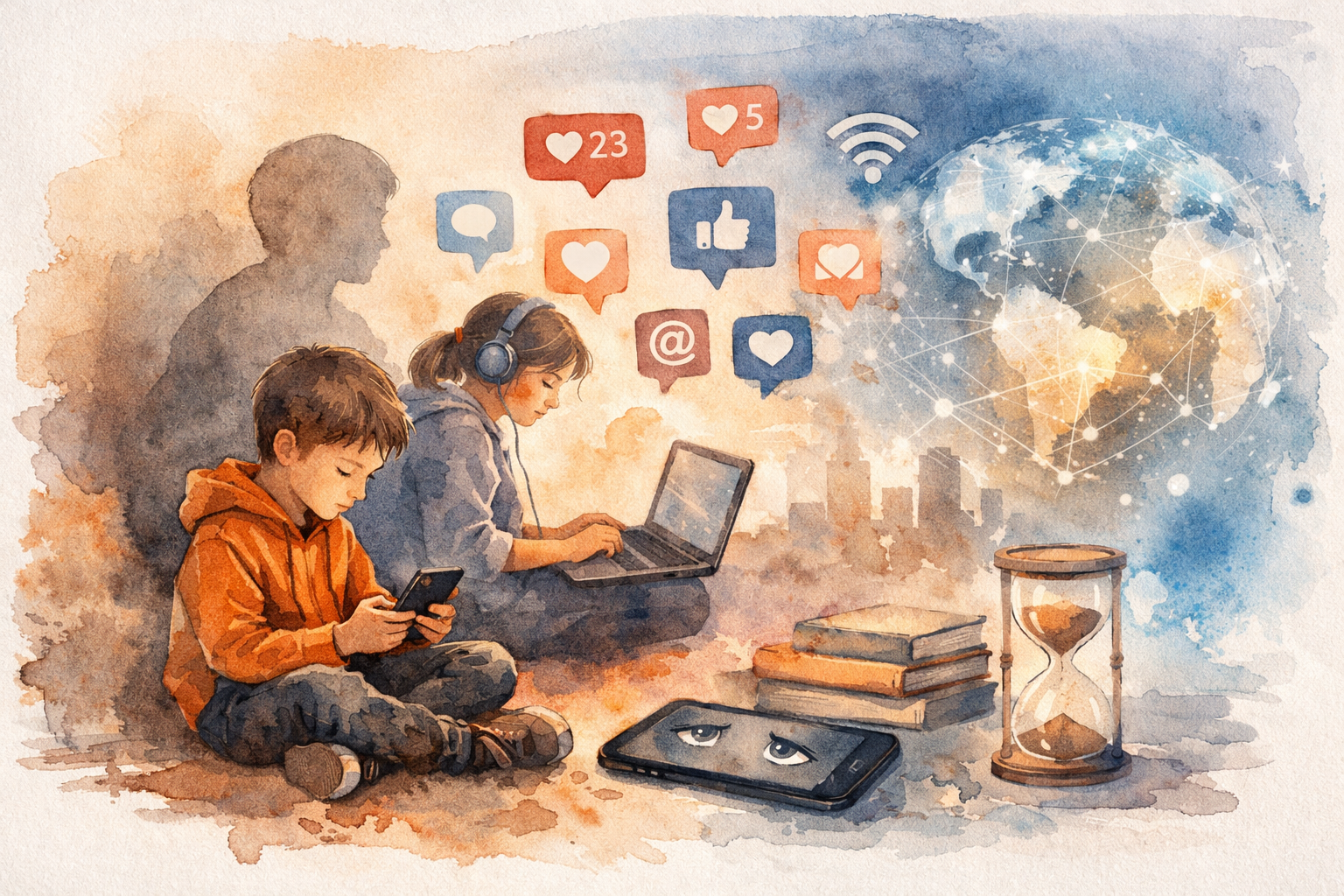
Modern technology shapes how young people learn, connect, socialise, and understand themselves.
Social media, online communication, and digital environments influence emotional well-being in complex ways. These influences are thoughtfully considered within psychotherapy to support each young person’s individual needs.
Working together
My involvement with parents varies depending on the needs of the young person and family, always within clearly agreed boundaries of confidentiality.
Parent reviews offer space to reflect on a child’s needs and explore how different forms of support can contribute to their well-being.
I am also open to liaising with schools and other professionals when this supports a young person’s daily life.
What next
If you are considering psychotherapy for your child or adolescent and would like to enquire, you are warmly invited to get in touch.
I will respond as soon as I am able, usually within 72 hours.